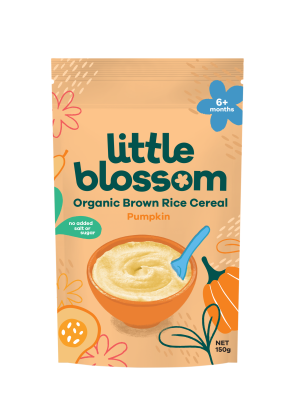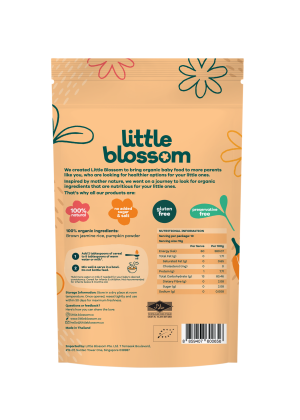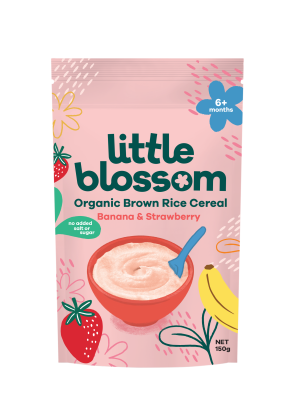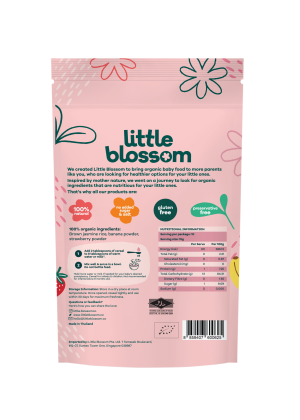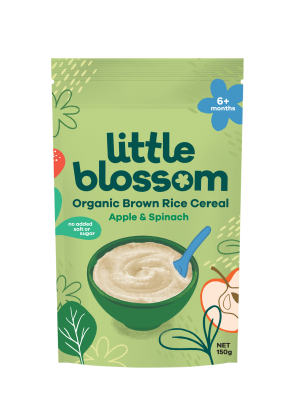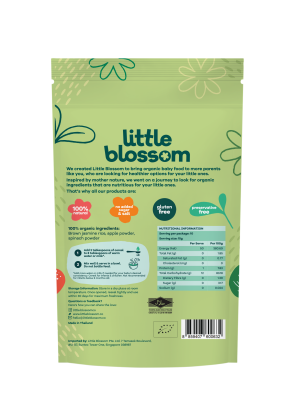
Myth vs. Reality: Debunking Common Misconceptions About Organic Brown Rice Cereal
Despite its decades-long status as a primary first food, organic brown rice cereal is frequently the subject of conflicting advice, misinformation, and outdated feeding myths. For modern parents, navigating these claims is essential to making informed, confident choices. This final, comprehensive article tackles and debunks the most common misconceptions, offering clarity rooted in current pediatric and nutritional science, and reaffirming the whole-grain cereal’s appropriate place in the complementary feeding journey.
Myth 1: Rice Cereal is Necessary for Sleep
Reality: This is perhaps the oldest and most persistent myth. The belief that adding cereal to a baby’s bottle or giving them a bowl of thick cereal will help them “sleep through the night” is scientifically unfounded and potentially unsafe.
- Safety and Digestion: Adding cereal to a bottle is a choking hazard and is generally discouraged by pediatricians unless specifically recommended for reflux issues. Furthermore, an infant’s waking is typically tied to developmental cycles, not caloric deficiency. Filling a baby’s stomach too much before bed can actually cause digestive discomfort, leading to more disturbed sleep, not less. The cereal is meant to be eaten with a spoon, while the baby is sitting up, as a distinct meal.
Myth 2: It Must Be the Very First Food
Reality: While historically rice cereal was the de facto first food, current guidelines prioritize readiness and diversity over a specific food order.
- Focus on Iron: The primary benefit of the cereal is the fortified iron. Therefore, it is important to introduce an iron-rich food around six months, but that food doesn’t have to be rice. Many parents now successfully start with other fortified single-grain cereals (like oat or barley) or iron-rich pureed meats.
- The True Role: The cereal’s true value as a first food lies in its low allergenic potential and smooth, controllable texture. It is an ideal starting point to test for tolerance and practice spoon-feeding, but it can be rotated with other iron-fortified cereals almost immediately to encourage diversity.
Myth 3: Organic Brown Rice Cereal Causes Constipation
Reality: This misconception often stems from confusion between whole-grain brown rice and highly refined white rice cereal, which lacks natural fiber.
- Whole Grain Fiber: Organic brown rice cereal is whole grain, meaning it retains the bran and germ, which contain natural fiber. This fiber actually helps bulk the stool and encourages regularity. Constipation typically occurs when a baby is simply adjusting to any solid food or is not receiving enough liquid.
- The Fix: If constipation occurs, the solution is not to eliminate the whole-grain cereal, but to ensure it is mixed with enough liquid (breast milk/formula) and to strategically pair it with pureed fruits like prunes or pears, which naturally aid digestion (as discussed in Blog Post 7).
Myth 4: Rice Cereal is Nutritionally Empty
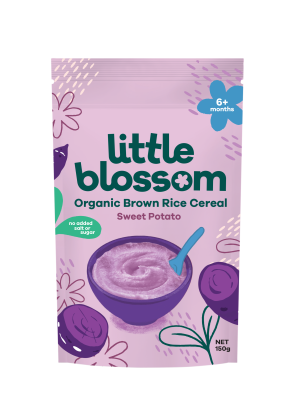
Reality: This criticism is true only for unfortified, non-organic, refined white rice products. Fortified organic brown rice cereal is, by design, a nutrient powerhouse.
- Fortification is Key: The cereal is not just ground rice; it is a scientifically formulated delivery system for essential micronutrients. It is an excellent source of easily absorbed iron and often contains added zinc and B vitamins, which are the exact nutrients an infant’s diet is often lacking at six months.
- Whole-Grain Advantage: The “organic brown rice” designation ensures the baby also benefits from the naturally occurring fiber, magnesium, and antioxidants found in the intact bran layer. It is a highly efficient, targeted food source designed to meet a precise developmental need.
By separating these long-standing myths from the reality of nutritional science, parents can recognize that organic brown rice cereal remains a safe, effective, and valuable tool when used correctly—as a temporary, iron-fortified, whole-grain base for the successful introduction of solids.